Table of contents
No headings found in this article.
Choosing the right batting gloves isn’t just about looks—it’s about grip, durability, comfort, and how confidently you step into the box. Whether you’re searching for a baseball batting gloves buying guide or a softball batting gloves buying guide, this guide breaks down exactly what matters so you can make a smart, performance-driven decision. Built for hitters who care about feel and longevity, this guide reflects how elite players actually evaluate gloves—not how marketing labels describe them.

Baseball vs. Softball: The Technical Split
At a glance, baseball and softball batting gloves look similar. Technically, they’re built for different demands.
Baseball batting gloves prioritize feel and precision. With a smaller 9-inch ball and higher swing speeds, hitters want a thinner palm to maximize bat control and optimize exit velocity. Gloves are usually lighter, with a short or athletic cuff that allows full wrist mobility—especially important for BBCOR and USSSA hitters who rely on quick hands.
Softball batting gloves, especially for fastpitch and slowpitch, lean toward impact protection. The 11- or 12-inch ball delivers more surface impact, so thicker palm padding and wider finger channels are common. Many softball hitters prefer a longer cuff for added wrist stability and shock absorption during repetitive swings.
That said, modern hitters—especially multi-sport athletes—often want one glove that can do both. That’s where GOAThletic's hybrid designs come in.
Key Features of High-Performance Batting Gloves
When you strip away the hype, elite batting gloves are built around three things: material quality, construction, and performance science.
Materials: The Fabric of Quality
-
Cabretta Leather
Often called the gold standard, Cabretta leather is known for its ultra-soft feel and natural grip. The tradeoff? It can wear down quickly under heavy use. -
Goat Leather
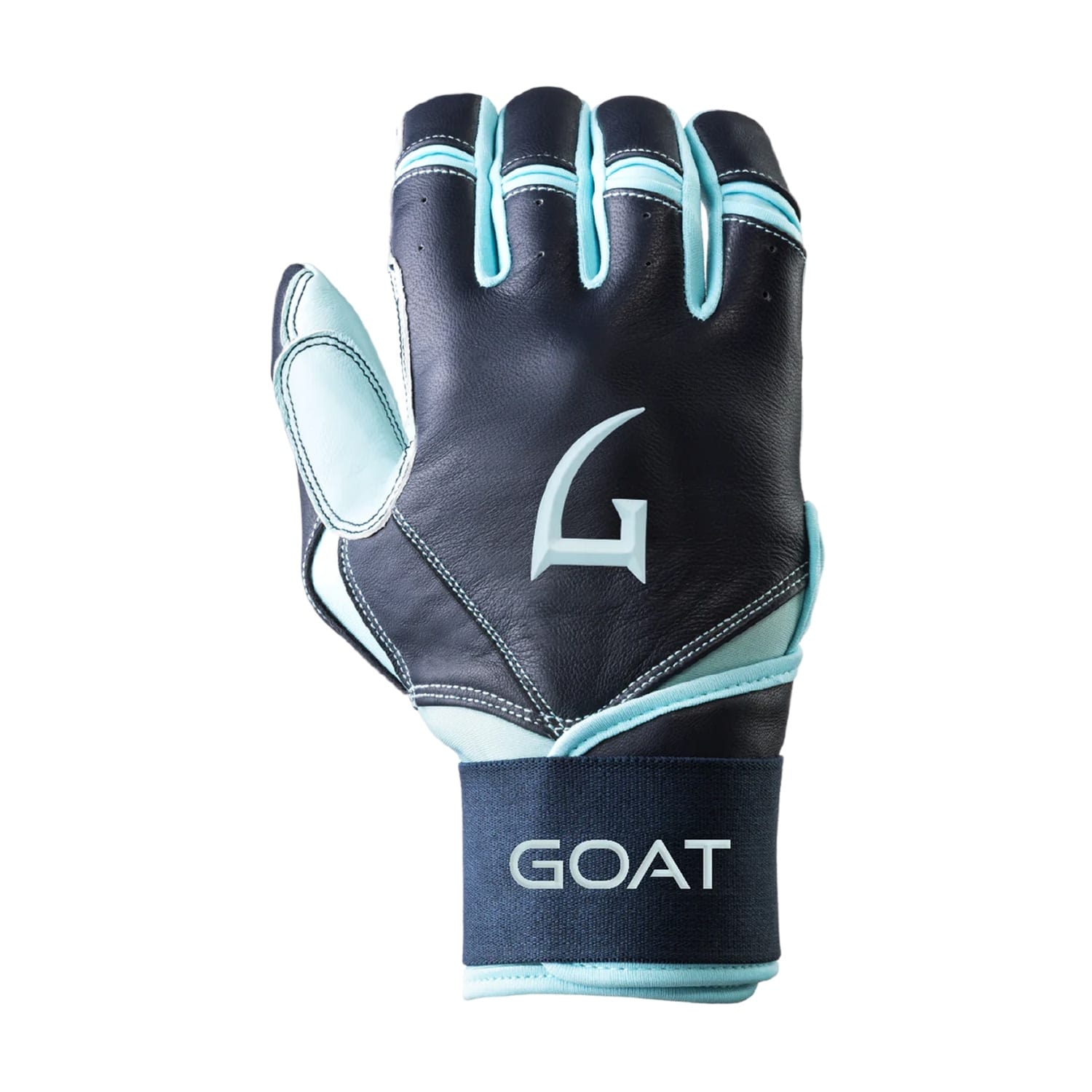
A premium alternative with high tensile strength, a thinner profile, and extreme durability. Goat leather delivers tactile feedback without sacrificing longevity—making it ideal for high school and college hitters who hit daily. -
Pittards Leather
A well-known premium leather used by some competitors, valued for consistency and moisture resistance. -
Synthetic Overlays (Neoprene, Spandex, Lycra)
Used on the back of the hand for breathability, stretch, and flexibility without compromising structure. -
Silicone Printing
Added to palms for extra tackiness, increasing friction coefficient between the glove and bat tape or pine tar.
Components: The Anatomy of a Durable Glove
-
Palm Pad
Designed to reduce vibration and protect the metacarpophalangeal joints, especially on mishits. -
Articulated Fingers
Pre-curved fingers that mirror the hand’s natural grip position, reducing bunching and improving bat control. -
Thumb Gusset
The reinforced zone between the thumb and index finger—also the most common tear point in low-quality gloves. -
Double-Stitching
A key durability signal for high-frequency hitters who demand gloves that last a full season. -
Compression Wrist Strap
Creates a locked-in feel, improving stability through the swing path.

The GOAThletic “GOAT-Grip” Innovation
This is where construction meets intent. The GOAT-Grip system pairs premium Goat Leather palms with flex-fit contouring and reinforced stress zones. The result is a glove that maintains a high friction coefficient without relying on excessive thickness—helping hitters translate grip into higher exit velocity while maintaining shock absorption in cold weather or high-impact situations.
Sizing & Fit: Pro Tips for Every Hitter
Fit isn’t optional—it’s performance-critical.
A batting glove should feel like a second skin. Too loose, and you lose control. Too tight, and durability suffers.
Pro fit tips:
-
Measure hand length and width, not just age group.
-
Fingers should reach the end without excess material folding.
-
The wrist strap should secure the glove without cutting off circulation.
-
Youth hitters often size up too soon—snug is better than sloppy.
For a step-by-step breakdown, reference the internal Batting Gloves Size Guide to dial in the perfect fit before buying.
Maintenance: How to Extend Glove Life
Even the best gloves fail early if they’re abused.
-
Air-dry only—never toss gloves in a bag wet.
-
Rotate pairs if you hit multiple times per week.
-
Avoid over-conditioning leather; natural oils from your hands are often enough.
-
Store gloves flat to preserve articulated finger shape.
Proper care dramatically extends glove life, especially with premium leather builds.
Budget & Player Level
-
Beginner ($20–$50):
Focus on basic comfort and entry-level grip. These gloves are best for new players or occasional use, but typically rely on thinner materials and simpler construction, which may wear down quickly with frequent practices or games. -
Intermediate ($50–$70):
Focus on durability, improved grip, and better overall construction. This is where GOAThletic fits best for high school and competitive youth players, offering gloves built with higher-quality leather, reinforced stress points, and a balance of feel and longevity for regular play. -
Advanced / Pro ($70–$150+):
Focus on premium materials, elite-level feel, and long-term performance. GOAThletic also serves this category for serious hitters and college-level players who want pro-grade durability, strong tactile feedback, and gloves that hold up through heavy, season-long use—without constantly needing replacements.
Common Mistakes to Avoid When Buying Batting Gloves
These are the errors that cause regret, ripped gloves, and wasted money:
Buying based on looks instead of materials
Style fades fast—leather quality and construction determine performance and lifespan.
Sizing up “to grow into them”
Loose gloves reduce grip, increase friction, and tear faster. Snug always performs better.
Ignoring the thumb gusset
Most gloves fail here first. If it’s not reinforced, expect early ripping.
Overpaying for brand hype
Price doesn’t always equal durability. Construction details matter more than logos.
Using one pair nonstop without drying
Moisture breaks down leather quickly. Let gloves air-dry between sessions.
Read Common Mistakes to Avoid When Buying Batting Gloves blog for deeper reading
Baseball vs. Softball vs. Hybrid: At-a-Glance Comparison
|
Requirement |
Baseball Batting Gloves |
Softball Batting Gloves |
GOAThletic Hybrid Standard |
|
Primary Ball Size |
9-inch |
11/12-inch |
Compatible with Both |
|
Palm Padding |
Thin (for feel) |
Thick (for impact) |
Dyna-Shock Dampening |
|
Finger Width |
Narrow/Standard |
Often Wider |
Flex-Fit Contouring |
|
Cuff Design |
Short/Athletic |
Longer (stability) |
Pro-Stabilizer Long Cuff |
Where GOAThletic Fits
While brands like Franklin and Rawlings are traditional favorites, GOAThletic offers a modern Goat Leather alternative that emphasizes durability, tactile feedback, and long-term value for elite high school and college players who are tired of replacing gloves mid-season.

Final Buying Takeaway
The best batting gloves aren’t defined by price or hype—they’re defined by how well material, fit, and construction align with your level of play. Whether you’re a baseball hitter chasing consistency or a softball player absorbing repeated impact, choosing gloves built with premium leather, reinforced components, and a purpose-driven design will show up every time you swing.
When you’re ready to apply everything in this guide, explore the full Batting Gloves Collection and invest in gear engineered to last—not just look good for a few games