Table of contents
No headings found in this article.
Baseball and softball follow the same basic idea, but they are not the same game.
The main differences between softball and baseball are ball size, pitching style and distance, field dimensions, base paths, equipment, and the number of innings played.
Softball generally uses a larger ball, a smaller field, shorter base paths, and underhand pitching. Baseball uses a smaller ball, longer distances, and primarily overhand pitching.
For this comparison, we’re mainly looking at standard baseball and competitive fastpitch softball. Youth and slow-pitch rules can vary by league and age group.
Baseball vs. Softball: Quick Comparison
|
Difference |
Baseball |
Fastpitch Softball |
|
Ball |
Smaller, about 9 inches around |
Larger, commonly 12 inches |
|
Pitching style |
Primarily overhand |
Underhand windmill |
|
Pitching distance |
60 feet, 6 inches in MLB |
Commonly 43 feet |
|
Base paths |
90 feet in MLB |
Commonly 60 feet |
|
Field |
Larger |
More compact |
|
Bats |
Baseball-specific |
Softball-specific |
|
Fielding gloves |
Usually smaller pockets |
Often deeper pockets |
|
Regulation game |
9 innings in MLB |
Usually 7 innings |
The numbers show the differences.
What matters more is how those differences affect the game.
1. Softballs Are Bigger Than Baseballs
A baseball is smaller than a softball.
An official baseball measures between 9 and 9¼ inches in circumference. A competitive fastpitch softball is commonly around 12 inches.
You can feel the difference immediately when you hold both.
A baseball fits more easily into the hand. A softball takes up more space in the fingers and palm.
Imagine making a quick throw from shortstop. The size of the ball changes how you grip it, get it out of your glove, and control the throw.
That larger ball is also one reason softball fielding gloves often have deeper pockets.
2. Pitching Is Very Different
Pitching is one of the easiest differences to notice.
Baseball pitchers normally throw overhand or from a three-quarter arm slot.
Fastpitch softball pitchers use an underhand windmill motion.
The pitching distances are also different.
In MLB, the pitching rubber is 60 feet, 6 inches from home plate.
In many higher levels of fastpitch softball, pitchers throw from 43 feet.
That shorter distance makes a big difference for the hitter.
Picture yourself standing in the batter’s box. A softball pitch may show a lower number on the radar gun, but the pitcher is releasing the ball much closer to you.
That means you still have very little time to recognize the pitch and decide whether to swing.
So comparing pitch speed alone does not tell the whole story.
3. Softball Fields and Base Paths Are Smaller
Baseball generally uses a larger playing field.
At the MLB level, the bases are 90 feet apart.
Competitive fastpitch softball commonly uses 60-foot base paths.
Now picture a ground ball hit to shortstop.
In baseball, the hitter has farther to run before reaching first base.
In softball, the runner gets there sooner.
That means the softball shortstop may have less time to reach the ball, field it, transfer it, and make the throw.
A smaller field does not automatically mean an easier defensive game.
On many plays, everything simply happens faster.
4. Baseball and Softball Bats Are Different
Baseball and softball bats may look similar, but they are not necessarily interchangeable.
They can have different barrel designs, weight profiles, performance standards, and league certifications.
A baseball player should not assume a softball bat is legal for baseball. The same applies in the other direction.
For parents buying a bat, the safest approach is simple:
Check the player’s league requirements before buying.
5. Softball Gloves Usually Have Deeper Pockets
The larger softball also affects fielding-glove design.
Softball gloves commonly have wider or deeper pockets to give the larger ball more room.
Baseball gloves can use smaller or shallower pockets, especially for infielders who need fast transfers.
Think about a shortstop turning a double play.
The player needs to secure the ball, get it out quickly, and make the next throw.
The ideal glove should match the ball size, player’s hand, and defensive position.
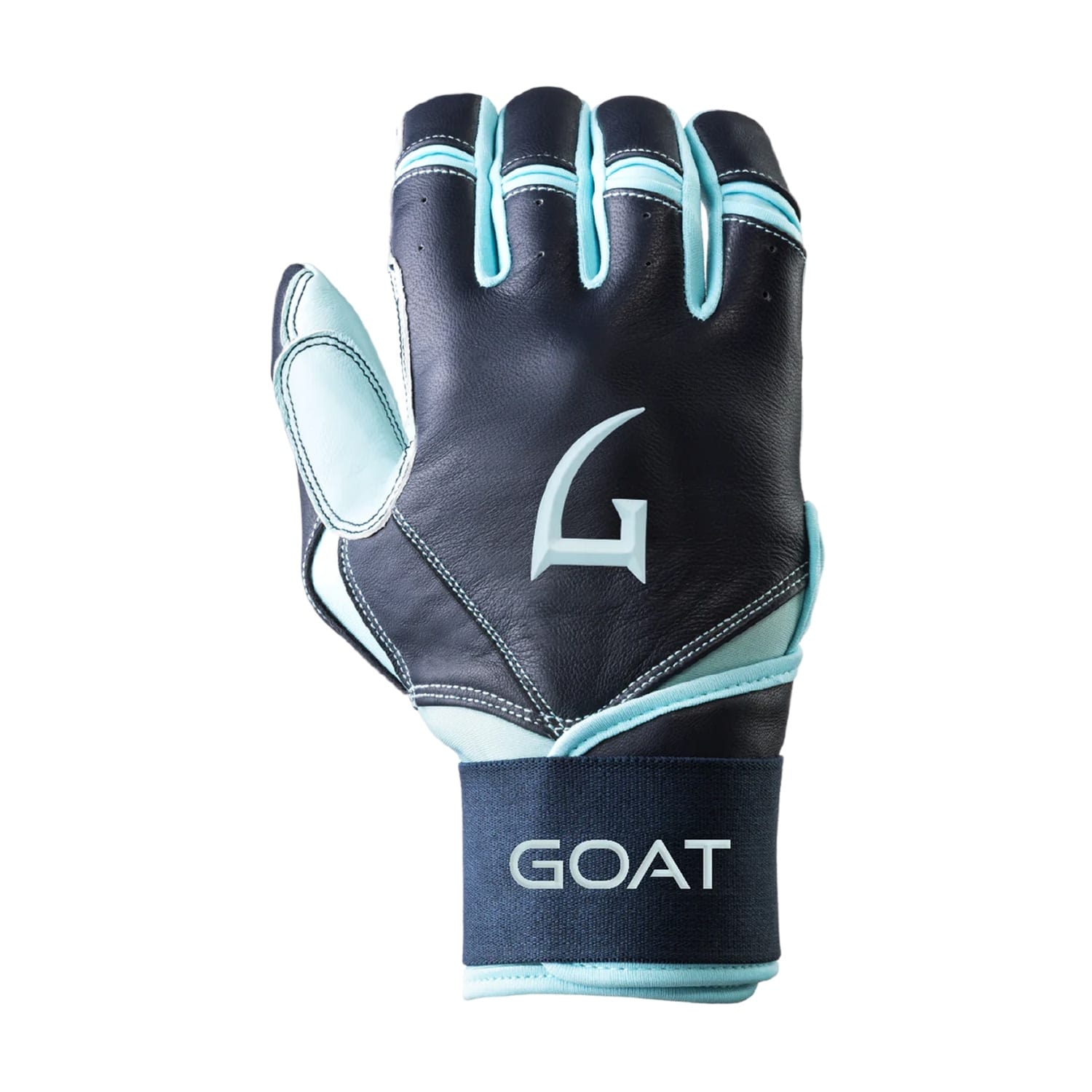
Batting gloves are different. They have much more crossover between the two sports.
In fact, baseball batting gloves can also be used for softball because both sports require grip, flexibility, and hand protection at the plate.
6. Baseball and Softball Play Different Numbers of Innings
An MLB game is normally scheduled for nine innings.
Competitive fastpitch softball generally plays seven innings.
Youth and recreational formats can use different rules.
The difference matters because softball teams normally have fewer scheduled innings to score.
Imagine falling behind by three runs in the second inning.
In baseball, seven regulation innings may remain.
In a seven-inning softball game, only five remain.
That can make each scoring opportunity feel more important.
The number of innings also varies across baseball levels. See this guide to how many innings are in baseball explains MLB, college, high school, and youth baseball separately.
Is Softball Easier Than Baseball?
No. Softball is not simply an easier version of baseball.
Baseball uses a smaller ball, longer throwing distances, a larger field, and very high pitching speeds.
Fastpitch softball uses shorter distances that can give hitters and defenders less reaction time.
Think about the shortstop again.
A baseball shortstop may have to make a longer throw.
A softball shortstop has a shorter throw, but the runner is also closer to first base.
Each sport creates different challenges.
Can You Use the Same Equipment for Baseball and Softball?
Some equipment can cross over, but not everything should.
Bats: Usually need to meet sport- and league-specific standards.
Fielding gloves: Some can work for both, but softball gloves often have deeper pockets.
Batting gloves: Commonly work well for either sport.
Protective equipment: Requirements can vary by league, age, and position.
If you’re buying gear for a player moving between the two sports, check the league rules first.
The Bottom Line
Baseball and softball share the same basic foundation.
But ball size, pitching, field dimensions, equipment, and game length make them feel different once play begins.
Softball compresses much of the action. The pitcher is closer, the bases are closer together, and defenders often have less time to react.
Baseball spreads the game out. Players deal with longer throws, longer base paths, and a smaller ball.
Both require hitting, throwing, catching, running, and smart decisions.
They simply test those skills in different ways.