Table of contents
No headings found in this article.
Rain game? Wet field? Gear bag mishap?
Whatever happened, here’s the truth:
A wet baseball glove isn’t the end of the world—unless you dry it the wrong way.
The wrong method can warp the pocket, stiffen the leather, and shorten the glove’s life… fast.
Let’s cut to the chase: here’s exactly how to dry your glove safely, keep it game-ready, and protect the feel you’ve worked hard to break in.

Quick Answer: What’s the Right Way to Dry a Baseball Glove?
Pat it dry, air-dry it naturally, maintain the shape, and recondition the leather once it’s fully dry.
No heat.
No shortcuts.
No “I’ll just toss it in the car to warm up” moments.
Heat is the #1 glove killer—something athletes complain about constantly in online forums when discussing torn or stiff gloves.
Why Drying Your Glove Correctly Matters
Leather changes when it gets wet.
In fact, it loses oils, becomes stiff as it dries, and can crack if you don’t restore moisture afterward.
And considering durability is one of the top priorities for players and parents, proper glove care matters more than people realize.
Done right?
Your glove stays flexible, comfortable, and reliable inning after inning.
Done wrong?
It turns into something that looks like a glove… but sure doesn’t feel like one.
How to Dry a Wet Baseball Glove (Step by Step)
1. Gently blot away excess water
Grab a towel and press, don’t rub.
Rubbing stretches the leather grain.
Pressing lifts the moisture without damaging the fibers.
Think: controlled, deliberate drying—not scrubbing.
2. Let it air-dry at room temperature
This is the big one.
Set your glove somewhere ventilated and dry.
Room temp. Not hot. Not sunny.
Avoid:
-
Hair dryers
-
Radiator vents
-
Direct sunlight
-
Car dashboards
-
Ovens (yes… some players actually try this)
Here’s the thing:
Heat dries the leather too fast.
That’s how you end up with cracking, stiff fingers, or a misshapen pocket.
3. Shape the glove while it dries
This step separates “my glove dried fine” stories from “my glove felt weird for the rest of the season.”
Do this:
-
Put a baseball in the pocket
-
Close the glove around it
-
Use a wrap or band to hold the shape
A glove dries exactly how you leave it.
Set it up the way you want it to play.
4. Give it 24–48 hours
Is it tempting to use the glove sooner?
Absolutely.
Should you?
Absolutely not.
If the leather still feels cool, flexible, or slightly damp inside, it’s not done yet.
Slow drying = safer drying.
5. Condition the leather (lightly)
After the glove is fully dry:
-
Apply a small amount of conditioner
-
Work it into the palm, fingers, web, and laces
-
Let it absorb naturally
This restores oils lost during drying and prevents long-term cracking.
Skip this step and your glove may feel stiff or old long before its time.

Avoid These Common Mistakes
If you want your glove to last the full season—and then some—stay away from:
❌ Drying it with heat
❌ Leaving it in a gear bag overnight
❌ Putting it in the sun
❌ Hanging it near a heater
❌ Storing it under piles of equipment while damp
Players in multiple online communities report tearing at the palm, web, and thumb—often because moisture weakened the leather or they dried it incorrectly.
Great gloves don’t fail fast.
Bad care habits do.

How to Keep Your Glove Dry in the Future
A few small habits can save your glove:
-
Keep a towel in your backpack
-
Use a breathable gear bag, not plastic
-
Air out your glove after every practice
-
Don’t leave gear in a hot car
-
Rotate gloves if you play daily
Parents and players repeatedly say they’re tired of gear wearing out too quickly—so prevention goes a long way.
Is a Wet Glove Still Usable?
Yes—100%.
A wet glove isn’t ruined.
But here’s the catch:
You can’t use it while it’s wet.
That’s when leather stretches, the pocket collapses, and laces weaken.
This is exactly the type of premature wear athletes vent about online.
Dry it right, recondition it, and your glove will bounce back.
GOAThletic’s Perspective: Gear That Works as Hard as You Do
Your glove is part of your performance.
Treat it right, and it will reward you every inning, every rep, every play.
At GOAThletic, we’re committed to helping athletes get more durability from every piece of gear they use—because nothing is more frustrating than equipment that gives up before you do.
Want More Gear-Saving Tips?
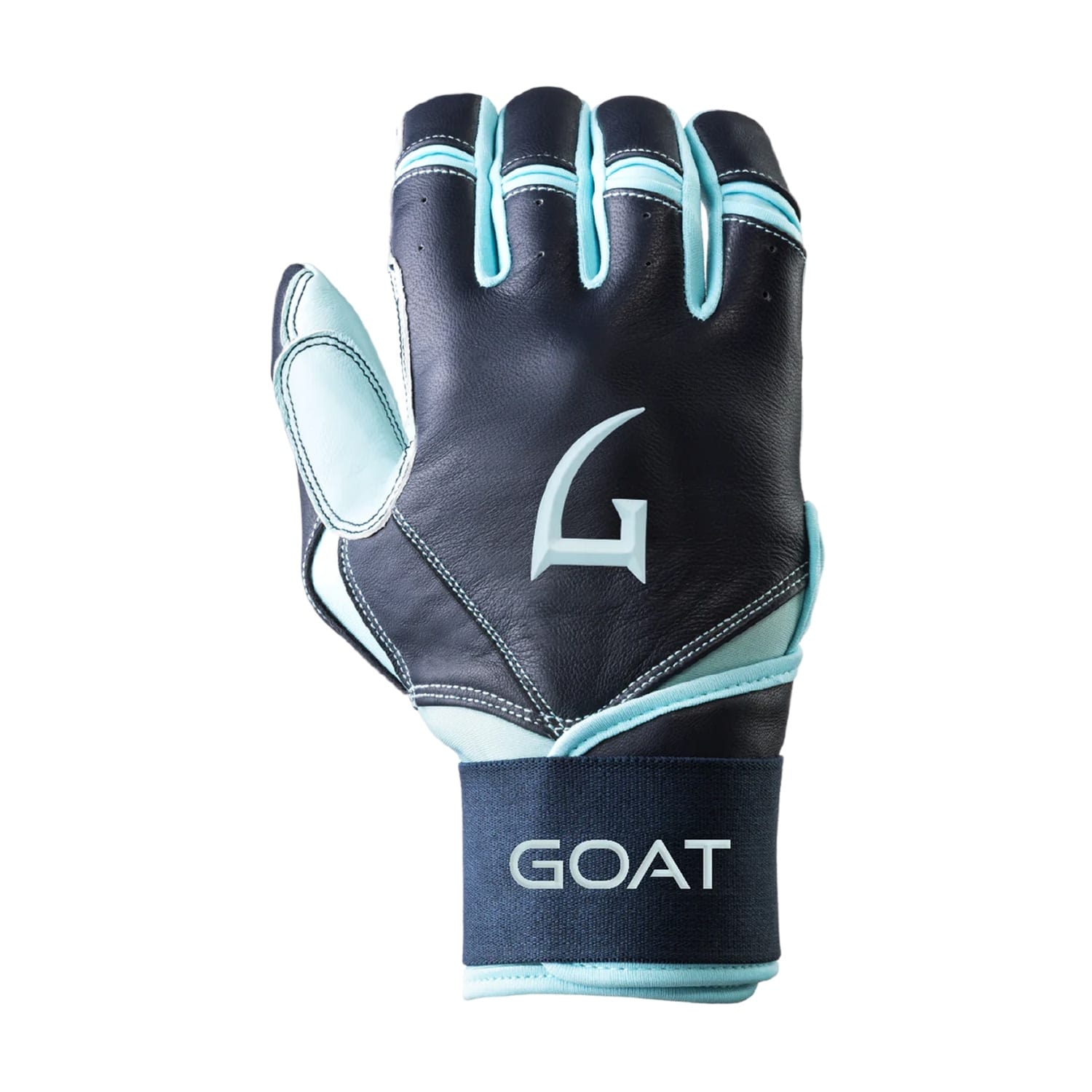
And when you’re ready to upgrade your batting gloves, check out GOAThletic’s GOAT-leather lineup—built for comfort, built for longevity, and built for players who refuse to compromise.